
Key Takeaways
- Remodeling costs vary widely depending on project scope, materials, labor, and location, with simple updates costing far less than full-scale renovations.
- Kitchens and bathrooms tend to be the most expensive areas to upgrade due to plumbing, fixtures, and high-end finishes.
- Labor can account for a large portion of total expenses, often rivaling or exceeding material costs in many projects.
- Hidden costs such as permits, design fees, and unexpected structural repairs can significantly increase the final budget.
- Careful planning and setting aside a contingency fund help homeowners manage unexpected expenses during construction.
- Comparing multiple contractor estimates is essential to understanding fair pricing and avoiding overpaying for the same scope of work.
- Strategic upgrades like kitchens, bathrooms, and energy-efficient improvements typically provide the strongest return on investment.
Home remodeling has become one of the most popular ways for homeowners to improve their living spaces, increase property value, and adapt their homes to changing needs. Whether you’re updating an outdated kitchen, transforming a bathroom, finishing a basement, or planning a whole-house renovation, understanding the costs involved is essential before starting any project.
The price of remodeling a home can vary dramatically depending on the size of the property, the scope of work, material choices, labor costs, and your location. Some homeowners spend a few thousand dollars refreshing a single room, while others invest hundreds of thousands into complete home transformations.
With construction costs, labor rates, and material prices continuing to fluctuate, many homeowners find it challenging to determine how much they should realistically expect to spend. Knowing the factors that influence remodeling expenses can help you plan effectively, avoid unexpected surprises, and maximize the value of your investment.
This guide breaks down the major cost considerations, explores average remodeling expenses, and provides practical tips for budgeting your next renovation project.
What is the Average Cost of Remodeling a Home?
The average cost of remodeling a home today ranges anywhere from $20,000 to over $200,000, depending on the project’s complexity and scale.
Generally speaking:
- Minor cosmetic updates may cost between $10,000 and $30,000.
- These projects often include painting, flooring replacement, fixture upgrades, and basic improvements.
- Mid-range remodeling projects typically range from $50,000 to $100,000.
- This category may include kitchen renovations, bathroom upgrades, and partial home renovations.
- Major renovations often exceed $150,000.
- Large-scale remodels involving structural changes, room additions, and luxury finishes can significantly increase costs.
Many contractors also estimate remodeling expenses based on square footage. Depending on the level of renovation, homeowners may spend anywhere from $15 to $150 or more per square foot.
Why Do Remodeling Costs Vary So Much?
One homeowner may spend $30,000 updating a home while another spends $300,000 on a similarly sized property. The difference often comes down to several key variables.
Scope of Work
The extent of your renovation project has the biggest impact on cost.
Projects that involve:
- Demolition
- Structural modifications
- Plumbing relocation
- Electrical upgrades
- HVAC modifications
will generally cost substantially more than cosmetic updates.
Material Selection
Materials can dramatically affect your final bill.
For example:
- Stock cabinets cost significantly less than custom cabinetry.
- Laminate countertops are more affordable than natural stone.
- Standard flooring options cost less than premium hardwoods.
Choosing luxury finishes throughout an entire home can quickly increase remodeling expenses.
Labor Costs
Labor often accounts for 30% to 50% of total remodeling costs.
Skilled professionals such as electricians, plumbers, carpenters, roofers, and tile installers typically charge rates based on local demand and experience levels.
Geographic Location
Remodeling costs vary widely depending on where you live.
Urban areas generally experience:
- Higher labor rates
- More expensive permits
- Increased material transportation costs
Meanwhile, rural areas may offer lower labor costs but could face challenges related to contractor availability.
How Much Does It Cost to Remodel Specific Areas of a Home?
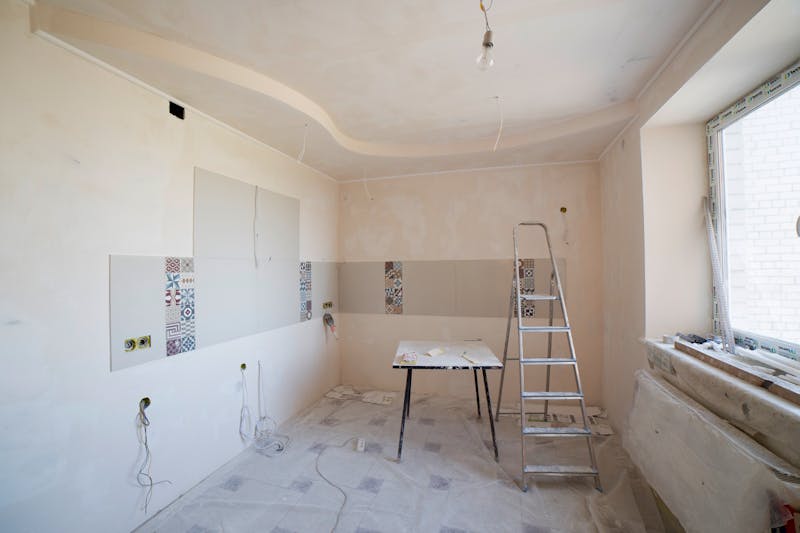
Understanding room-by-room costs can help homeowners prioritize renovations and allocate resources more effectively.
Kitchen Renovations
The kitchen is often considered the heart of the home and one of the most expensive rooms to remodel.
Typical costs include:
- Minor kitchen updates: $10,000–$25,000
- Mid-range remodels: $30,000–$75,000
- High-end renovations: $75,000–$200,000+
Common expenses include:
- Cabinets
- Countertops
- Appliances
- Flooring
- Lighting
- Plumbing fixtures
Because kitchens contain multiple systems and finishes, costs can escalate quickly.
Bathroom Renovations
Bathrooms are another popular remodeling project.
Average costs typically range from:
- Basic updates: $5,000–$15,000
- Mid-range remodels: $15,000–$35,000
- Luxury bathrooms: $35,000–$75,000+
Key cost drivers include:
- Tile work
- Plumbing fixtures
- Shower installations
- Bathtubs
- Vanities
Luxury features such as heated flooring and custom showers can significantly increase expenses.
Living Room Improvements
Living room remodels often focus on aesthetics and functionality.
Typical projects may include:
- Flooring replacement
- Built-in shelving
- Fireplace upgrades
- Lighting improvements
- Wall modifications
Costs generally range from $5,000 to $30,000, depending on the extent of work.
Bedroom Remodeling
Bedroom renovations are usually among the more affordable home improvements.
Typical upgrades include:
- Fresh paint
- New flooring
- Closet enhancements
- Window replacements
Costs commonly range from $3,000 to $20,000 per room.
Basement Finishing
An unfinished basement represents valuable living space waiting to be utilized.
Finishing a basement may cost:
- Basic conversions: $20,000–$40,000
- Mid-range finishes: $40,000–$75,000
- Luxury basement renovations: $75,000–$150,000+
Popular additions include:
- Home theaters
- Guest suites
- Home gyms
- Entertainment areas
What Expenses Are Often Overlooked?
Many homeowners focus solely on visible upgrades and underestimate additional costs that arise during renovation projects.
Permits and Inspections
Many remodeling projects require permits before work can begin.
Permit fees may cover:
- Building permits
- Electrical permits
- Plumbing permits
- Mechanical permits
These costs vary significantly depending on local regulations.
Design and Planning Fees
Professional design services can add substantial value to a remodeling project.
Potential expenses include:
- Architectural plans
- Interior design consultations
- Engineering reports
- Project management services
Although these services add upfront costs, they often help avoid costly mistakes later.
Temporary Living Arrangements
Extensive renovations may make parts of your home unusable.
Some homeowners must budget for:
- Hotel stays
- Short-term rentals
- Storage units
- Additional transportation expenses
These costs can add up quickly during lengthy projects.
Unexpected Repairs
Older homes often reveal hidden issues once demolition begins.
Common discoveries include:
- Water damage
- Mold
- Electrical deficiencies
- Plumbing problems
- Structural concerns
Industry professionals frequently recommend setting aside a contingency fund to address these surprises.
How Can Homeowners Create a Realistic Spending Plan?
Proper planning can reduce stress and help keep projects on track financially.
One of the most important steps is establishing a realistic home remodeling budget before contacting contractors.
Consider these best practices:
Define Your Priorities
Start by identifying which improvements matter most.
Ask yourself:
- What problems need immediate attention?
- Which upgrades improve functionality?
- Which renovations provide long-term value?
Clear priorities prevent unnecessary spending.
Obtain Multiple Estimates
Always compare bids from multiple contractors.
Review:
- Scope of work
- Labor costs
- Material allowances
- Project timelines
- Warranty coverage
Comparing estimates provides a better understanding of market rates.
Include a Contingency Fund
Experts commonly recommend reserving 10% to 20% of the project budget for unforeseen expenses.
This safety cushion can help prevent financial strain if unexpected issues arise.
Separate Needs From Wants
Many remodeling projects begin with a wish list that exceeds available funds.
Categorize upgrades into:
- Essential repairs
- Functional improvements
- Optional luxury features
This approach makes it easier to adjust spending if costs rise.
Is Remodeling Cheaper Than Moving?
Many homeowners face a difficult decision when their current home no longer meets their needs.
Moving may seem like the easier solution, but it often involves significant costs, including:
- Real estate commissions
- Closing costs
- Moving expenses
- New furnishing purchases
- Higher mortgage payments
In many cases, remodeling can be more affordable than relocating, especially when homeowners already have favorable mortgage rates.
However, the answer depends on:
- Current home value
- Local housing market conditions
- Scope of renovation
- Long-term family goals
A careful financial analysis can help determine which option makes the most sense.
Which Renovations Deliver the Best Return on Investment?
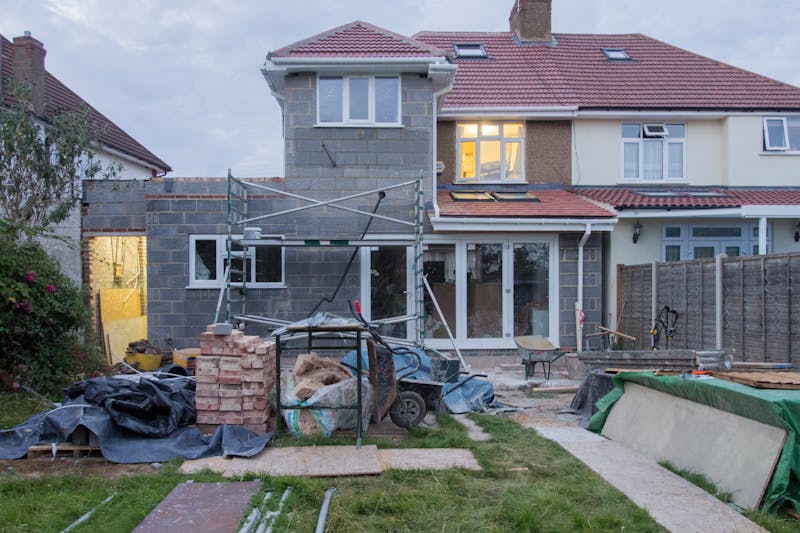
Not all remodeling projects provide the same financial return.
Some improvements consistently offer stronger resale value than others.
Kitchen Updates
Moderate kitchen renovations often deliver excellent returns because buyers place significant value on modern kitchens.
Popular upgrades include:
- Cabinet refinishing
- Countertop replacement
- Energy-efficient appliances
- Updated lighting
Bathroom Improvements
Updated bathrooms improve both functionality and buyer appeal.
Projects may include:
- New vanities
- Modern fixtures
- Improved storage
- Fresh tile installations
Exterior Enhancements
First impressions matter.
Exterior improvements often include:
- New siding
- Roofing replacement
- Garage door upgrades
- Landscaping improvements
These projects can substantially boost curb appeal.
Energy-Efficient Upgrades
Modern buyers increasingly value efficiency.
Popular upgrades include:
- High-performance windows
- Improved insulation
- Smart thermostats
- Energy-efficient HVAC systems
These improvements may lower utility costs while increasing home desirability.
What Factors Could Increase Costs in the Future?
Homeowners planning future renovations should be aware of ongoing market conditions that influence remodeling expenses.
Labor Shortages
The construction industry continues to face skilled labor shortages in many regions.
Limited contractor availability may result in:
- Higher labor costs
- Longer project timelines
- Increased competition for qualified professionals
Material Price Fluctuations
Building material costs can change due to:
- Supply chain disruptions
- Manufacturing delays
- Transportation expenses
- Global economic conditions
These factors can significantly impact project budgets.
Stricter Building Codes
Updated building regulations may require additional work during remodeling projects.
Examples include:
- Electrical upgrades
- Energy-efficiency improvements
- Safety enhancements
- Structural reinforcements
Compliance costs should be factored into planning.
Should You DIY or Hire Professionals?
Many homeowners consider tackling portions of a renovation themselves to save money.
DIY projects may be appropriate for:
- Painting
- Basic landscaping
- Minor demolition
- Simple fixture replacements
However, professional contractors are usually recommended for:
- Electrical work
- Plumbing installations
- Structural modifications
- Roofing projects
- HVAC upgrades
Attempting complex work without proper expertise can lead to safety hazards and costly mistakes.
Signs You’re Financially Ready to Remodel
Before beginning a major renovation, homeowners should evaluate their financial preparedness.
You may be ready if:
- You have a clear project scope.
- Emergency savings remain intact after budgeting.
- Financing options have been thoroughly evaluated.
- Contractor estimates align with available funds.
- You have a contingency reserve for surprises.
Taking time to assess financial readiness can lead to a smoother remodeling experience.
How Can You Keep Remodeling Costs Under Control?
Successful remodeling projects often share one characteristic: careful planning.
Strategies for controlling expenses include:
- Finalizing design decisions before construction begins.
- Avoiding frequent change orders.
- Comparing material options.
- Hiring reputable contractors.
- Scheduling projects during slower seasons when possible.
- Tracking expenses throughout the renovation.
The more organized your approach, the less likely you are to encounter budget overruns.
Final Thoughts
The cost of remodeling a home today depends on numerous factors, including project scope, labor rates, material selections, geographic location, and unforeseen challenges that may arise during construction. While some homeowners can complete meaningful improvements for a relatively modest investment, others may undertake comprehensive renovations that require a substantial financial commitment.
Understanding average costs, evaluating priorities, researching contractors, and planning for unexpected expenses can help ensure a successful outcome. Whether you’re updating a single room or transforming an entire property, thoughtful preparation remains the key to maximizing value and creating a home that better serves your lifestyle for years to come.
