
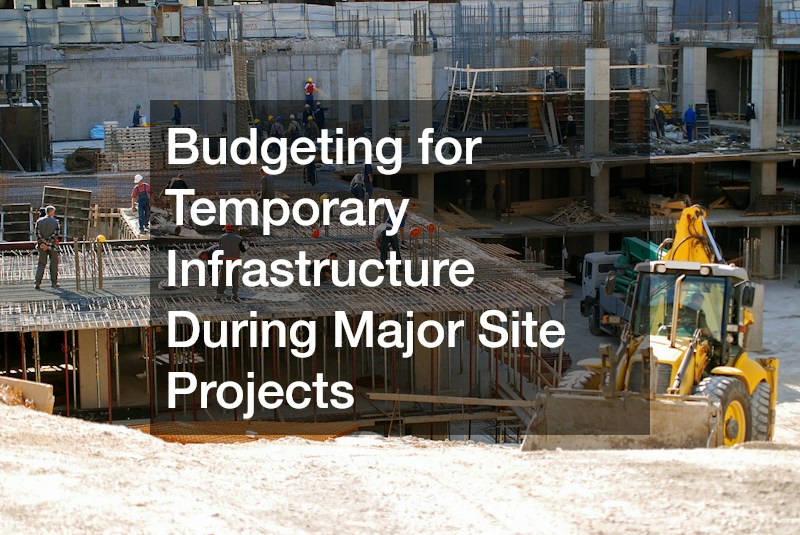
Breaking ground on a major construction or renovation project is exciting, but the costs that sneak up on property owners are rarely the ones in the headline budget. Temporary infrastructure like waste disposal, sanitation, site structures, and material handling can quietly eat up thousands of dollars if they are not planned for in advance. Whether you are managing a commercial build-out, a large home renovation, or a land development project, understanding these supporting costs upfront will help you avoid delays, fines, and unpleasant surprises.
This guide breaks down the key temporary infrastructure categories you need to budget for before the first permit is pulled.
Estimating Waste Removal and Debris Hauling Costs
Every major site project generates debris, and figuring out how you will remove it should be one of the first line items in your budget. Many property owners underestimate how quickly construction waste accumulates, from torn-out drywall to packaging material and scrap lumber. Renting roll off dumpsters is typically the most cost-effective way to manage this volume, since they can be delivered, swapped, and hauled away on a schedule that matches your project’s pace. Pricing usually depends on container size, weight limits, rental duration, and local disposal fees, so it pays to get a written quote before committing.
It is also worth thinking about placement logistics, since dumpsters need a clear, stable, and accessible spot that will not block deliveries or inspections. Some municipalities require permits if the container sits on a public street, which is an extra cost many homeowners forget to budget for.
- Confirm weight limits to avoid overage fees for heavy materials like concrete or shingles
- Ask whether the rental price includes delivery, pickup, and landfill tipping fees
- Plan for multiple swaps on longer projects rather than one oversized container
- Check local permit requirements if the unit will sit on a street or public right-of-way
Budgeting for Onsite Restroom Facilities and Sanitation
Sanitation is a legal requirement on most job sites, not just a convenience, and it is an expense that scales with the size of your crew and the length of your project. Portable restroom rentals are typically billed on a weekly or monthly basis, with pricing that varies depending on unit type, servicing frequency, and whether handwashing stations are included. Projects in remote areas or without easy access to plumbing will usually see higher delivery and servicing fees. For longer-term projects, it is worth comparing standard units against higher-capacity or ADA-compliant options, since worker comfort and compliance both affect productivity and liability exposure.
- Factor in servicing frequency, since more frequent cleanings cost more but reduce complaints and health risks
- Request ADA-compliant units if required by local regulations or anticipated foot traffic
- Compare multi-unit discounts if your crew size exceeds 10 to 15 workers
- Ask about seasonal pricing, since demand and cost can spike during peak construction months
Pricing Out Temporary and Pre-Engineered Structures
Many large projects need some form of temporary shelter for equipment, materials, or workers before the permanent building is finished. Clear span buildings have become a popular option because they offer large, column-free interior space that can be assembled and disassembled relatively quickly compared to traditional construction. These structures are useful for covered storage, staging areas, or even temporary offices, and their modular nature means they can often be resized or relocated as the project evolves. Pricing for clear span buildings typically runs anywhere from $10 to $30 per square foot depending on width, height, and anchoring method, with wider spans and higher wind or snow load ratings pushing costs toward the upper end. A 60-by-100-foot structure, for example, might suit a mid-sized laydown yard, while projects needing to shelter larger equipment may require spans of 150 feet or more, which carry a steeper price premium.
It’s also worth factoring in site prep costs separately, since ballast blocks, concrete pads, or gravel pads can add a meaningful percentage to the total before the structure itself goes up. Rental versus purchase terms deserve close scrutiny, since a structure needed for only four to six months may pencil out very differently than one that stays in place for two years. Many providers offer lease-to-own arrangements or rent credits that apply toward eventual purchase, which can be useful if timelines are uncertain. Because pricing is based on square footage, structural rating, and rental versus purchase terms, it is worth requesting multiple quotes to compare long-term value, paying close attention to what’s included in installation, permitting assistance, and eventual teardown or removal.
Keep in mind that site preparation, such as grading and anchoring, adds to the overall cost and timeline. A gravel pad or compacted base for a temporary structure can run anywhere from a few dollars per square foot to significantly more if the site has drainage issues or requires excavation. Anchoring methods matter too—concrete ballast blocks are often cheaper upfront than driven stakes or helical anchors, but they add weight and shipping costs that can offset the savings. Weather resistance requirements, like wind or snow load ratings, can also shift pricing significantly depending on your region and the season you are building in.
A structure rated for 90 mph winds will cost noticeably more than a basic model, and snow load requirements in northern climates often mean heavier-gauge steel framing or steeper rooflines to shed accumulation. If your project spans multiple seasons, it’s worth budgeting for the higher-rated structure from the start rather than paying for upgrades or emergency reinforcements later. It’s also worth factoring in permitting costs tied to these structural ratings, since many jurisdictions require engineering stamps or inspections for temporary buildings above a certain size or occupancy level. These fees, along with any required engineering reviews, can add days or weeks to your timeline if not planned for early.
Calculating Material Costs for Roofing and Structural Components
If your project includes new construction or a major renovation, roofing materials deserve their own line in the budget since prices fluctuate with market conditions and material type. Roof metal decking has become a common choice for commercial and industrial projects because of its durability, fire resistance, and relatively fast installation compared to other systems. Costs depend on gauge thickness, coating type, and the overall square footage of the roof, so getting a detailed material takeoff early in the planning process helps avoid budget gaps later. Labor costs for installation should be estimated separately, since skilled crews familiar with metal systems may charge differently than general roofing labor.
- Get quotes based on exact square footage and gauge thickness rather than rough estimates
- Ask about lead times, since metal decking orders can take weeks depending on supplier demand
- Factor in fastening systems and insulation requirements, which affect total material cost
- Confirm whether delivery and crane or lift costs are included in the quoted price
Protecting Your Project From Transportation and Delivery Risks
Temporary infrastructure depends heavily on deliveries, from dumpster swaps to material shipments, and with that traffic comes real risk. Construction sites see a steady flow of heavy trucks, and accidents involving these vehicles can cause serious injuries, property damage, and project delays. If a collision happens on or near your site, consulting a trucking accident attorney early can help clarify liability issues involving the trucking company, driver, or even the site owner. Understanding this risk ahead of time, rather than after an incident occurs, allows you to build appropriate insurance coverage and safety protocols into your project budget from the start.
Many project owners assume their general liability policy automatically covers delivery-related incidents, but this is not always the case. Reviewing your coverage with an insurance professional before heavy deliveries begin can prevent costly gaps later.
Building Contingency Funds Into Your Temporary Infrastructure Budget
Even with careful planning, unexpected costs are almost guaranteed on any major site project. Weather delays, permit changes, and supplier price increases can all affect the temporary infrastructure portion of your budget in ways that are hard to predict months in advance. A single storm that delays site prep by two weeks, for example, can extend rental periods on fencing, lighting, and temporary power units well beyond their original terms. Most experienced project managers recommend setting aside a contingency fund equal to 10 to 20 percent of your total temporary infrastructure costs to absorb these surprises. Where you land in that range should depend on project-specific risk factors: a straightforward, short-term site with a stable scope might only need 10 percent, while a multi-phase project in an area with unpredictable weather, strict permitting bodies, or volatile material costs could justify pushing closer to 20 percent.
It’s also worth breaking your contingency fund into categories rather than treating it as one lump sum. Setting aside separate allowances for schedule-driven costs (extended equipment rentals), regulatory costs (permit resubmissions or inspection fees), and market-driven costs (fuel surcharges or spot-rate increases on temporary utilities) makes it easier to track where your buffer is actually being spent. This buffer can make the difference between staying on schedule and facing a costly pause while you scramble to secure additional funding. Reviewing and adjusting the contingency fund at key project milestones, rather than setting it once at the outset, also helps ensure it stays aligned with how the project is actually unfolding.
- Set contingency at 15 percent for projects in areas with unpredictable weather, and consider scaling down to 8-10 percent for stable, predictable environments
- Revisit your contingency fund monthly and adjust as the project progresses, flagging any month where draws exceed 20 percent of the remaining balance
- Keep a separate ledger for temporary infrastructure so overruns are easy to spot, tracking fencing, trailers, power, and sanitation as distinct line items
- Break contingency into tiers — a small reserve for minor swaps like fencing panels, and a larger reserve for major disruptions like flooding or site relocation
- Communicate contingency plans with stakeholders to avoid surprises at project close, including a simple monthly summary of what’s been spent and why
Conclusion
Temporary infrastructure may not be the most exciting part of planning a major site project, but it is often where budgets quietly fall apart if left unaddressed. By researching costs for waste removal, sanitation, temporary structures, materials, and risk management before breaking ground, you put yourself in a much stronger position to finish on time and on budget. Take the time now to request detailed quotes from multiple vendors and build a realistic contingency fund around their answers. A little upfront diligence here will save you significant stress and money as your project moves forward.
