
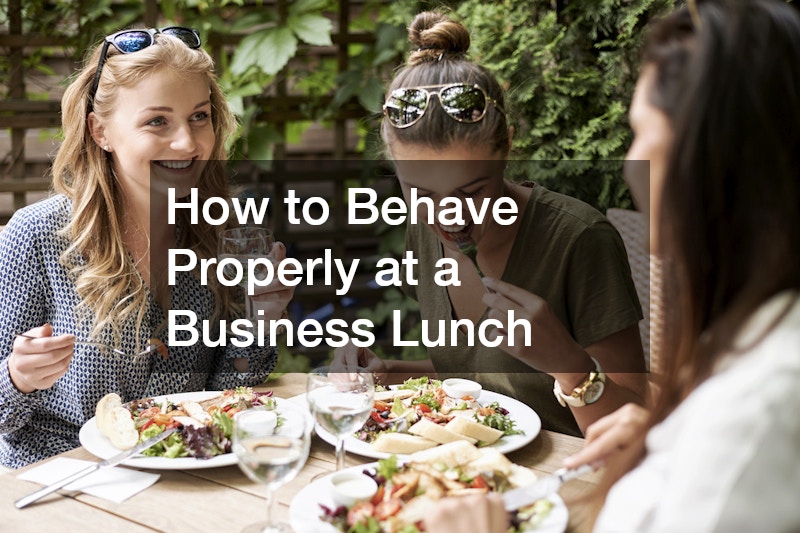
A business lunch blends professional expectations with a social setting, making conduct just as important as conversation. How you carry yourself at the table, communicate with others, and handle logistical details can influence perceptions long after the meal ends. Understanding proper etiquette helps you appear confident, respectful, and prepared, allowing the focus to stay on building productive business relationships.
1. What Are the Basics of Table Manners?
1.1 Seated Etiquette
When seated, maintain good posture by sitting upright with both feet on the floor. Avoid slouching or leaning back excessively, as this can appear disengaged.
Keep your elbows off the table while eating, and position yourself so you’re not crowding neighboring guests. Small adjustments, such as pulling your chair in and aligning yourself with the table, show attentiveness to your surroundings.
1.2 Using Utensils Correctly
Begin with the outermost utensils and work inward as courses progress. Hold utensils lightly and deliberately, avoiding loud clanking or exaggerated movements. When pausing, rest utensils on your plate rather than the table. These habits demonstrate familiarity with formal dining without drawing unnecessary attention.
1.3 Handling Napkins
Place your napkin on your lap shortly after sitting down. Use it discreetly to blot your mouth as needed, not to wipe your face or hands aggressively. If you step away briefly, leave the napkin on your chair. At the end of the meal, place it neatly beside your plate rather than folding it.
1.4 Proper Use of Glassware
Hold glasses by the stem or base to avoid smudges. Take small, controlled sips, and return the glass to its original position. If multiple glasses are present, use the one aligned with your place setting. This keeps the table organized and avoids confusion.
1.5 Managing Your Plate
Eat at a steady pace and keep your plate tidy. Avoid pushing food around or stacking items awkwardly. If something is difficult to eat neatly, take smaller bites. A clean plate reflects composure and awareness of the professional setting.
2. How to Begin and Sustain Conversations?
2.1 Appropriate Topics
Safe topics include industry trends, neutral business updates, travel, or shared professional interests. Avoid discussing politics, religion, or personal grievances. When in doubt, keep the focus on work-related subjects or light, universally relatable themes.
2.2 Active Listening Skills
Show engagement by maintaining eye contact, nodding, and responding thoughtfully. Avoid checking your phone or interrupting. Reflecting briefly on what someone has said before adding your own point shows respect and genuine interest.
2.3 How to Gracefully Interrupt
If you need to contribute, wait for a natural pause. Use polite phrases such as, “May I add something here?” This approach keeps the conversation collaborative rather than competitive.
2.4 Balancing Talk and Silence
Aim for a rhythm where everyone has space to speak. Filling every silence can feel forced, while excessive quiet may seem disengaged. Comfortable pauses often allow ideas to develop more naturally.
2.5 Handling Controversial Topics
If a sensitive topic arises, redirect gently. A neutral comment like, “That’s an interesting perspective; perhaps we can refocus on our project goals,” helps steer the discussion back to safer ground without causing discomfort.
3. What to Wear for a Business Lunch?
3.1 Understanding Dress Codes
Business lunches range from casual to formal depending on the industry and venue. Pay attention to cues such as the restaurant choice or company culture when deciding what’s appropriate.
3.2 Choosing Appropriate Attire
Opt for clean, well-fitted clothing that aligns with the setting. Business casual often works well, such as a tailored blazer or a polished dress. Avoid overly flashy or informal items.
3.3 The Role of Accessories
Accessories should complement, not dominate. Simple jewellery, a classic watch, or a structured bag adds professionalism without distraction.
3.4 Importance of Grooming
Neat hair, clean nails, and subtle fragrance contribute to a positive impression. Grooming details often speak as loudly as clothing choices.
3.5 Seasonal Considerations
Adjust fabrics and layers based on the weather. Lightweight materials work well in warmer months, while structured layers are suitable for cooler seasons.
4. How to Handle the Bill?
4.1 Who Should Pay?
Traditionally, the person who initiated the lunch or represents the hosting company covers the bill. Clarify expectations discreetly if there’s uncertainty.
4.2 Tipping Etiquette
Tip appropriately based on service quality and local standards. This reflects professionalism and respect for service staff.
4.3 Splitting the Bill
If splitting is agreed upon, handle it smoothly without extended discussion. Address it quietly with the server.
4.4 Handling Billing Mistakes
If an error appears, mention it calmly and politely. Keeping a composed tone maintains the professional atmosphere.
4.5 Using Company Cards
When using a corporate card, follow company policies and keep receipts organised for reporting purposes.
Proper behavior at a business lunch extends beyond table manners. It includes thoughtful conversation, appropriate attire, smooth handling of logistics, and meaningful follow-up. By approaching each aspect with awareness and professionalism, you create an environment that supports trust, clarity, and long-term business success.

About The Author
